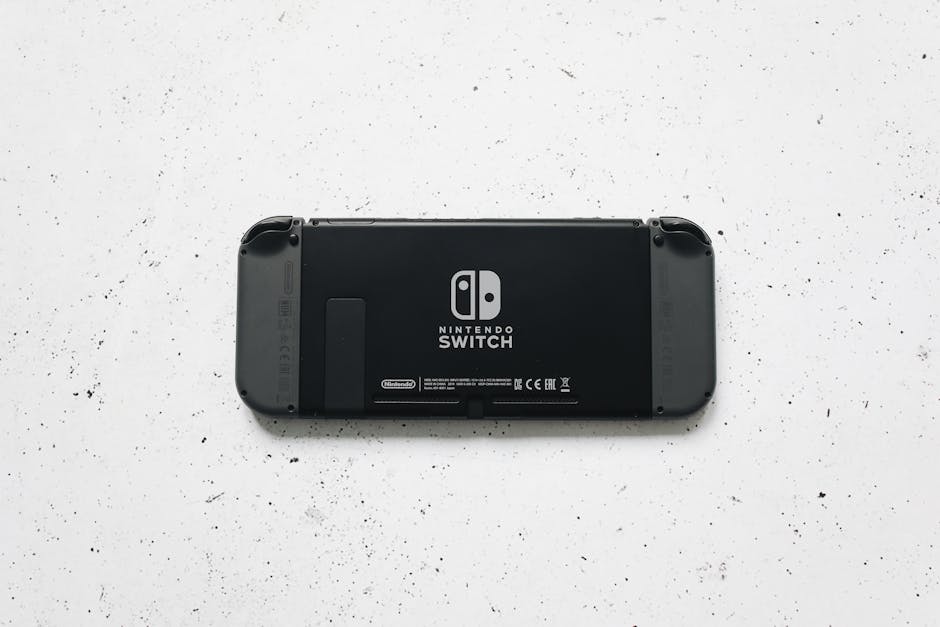
Nintendo Switch 2 vs. Switch 1 Battery Enhanced: Is it Worth Buying Now? Specs, Games, & Compatibility

가젯, 개인 전자제품, 검은색 콘솔의 무료 스톡 사진

Why I Bought a Nintendo Switch 1 Battery Enhanced Model When the Switch 2 is Out

Recently, I purchased a used Nintendo Switch 1 Battery Enhanced Model (HAC-001(-01)) from a local marketplace. I bought it to play with my child. I was aware that the Nintendo Switch 2 had already been announced. Nevertheless, there is a reason why I specifically chose the Switch 1.

In the past, I was also a hardcore gamer. I would play games all night, and if a new console came out, I would buy it without hesitation. But now it is different. Although I still love games, I hardly have any time to play due to my busy daily life. In this situation, many people must be contemplating between the Switch 2 and the Switch 1. I will honestly discuss why I chose the Switch 1 and what judgment should be made at this point in time.
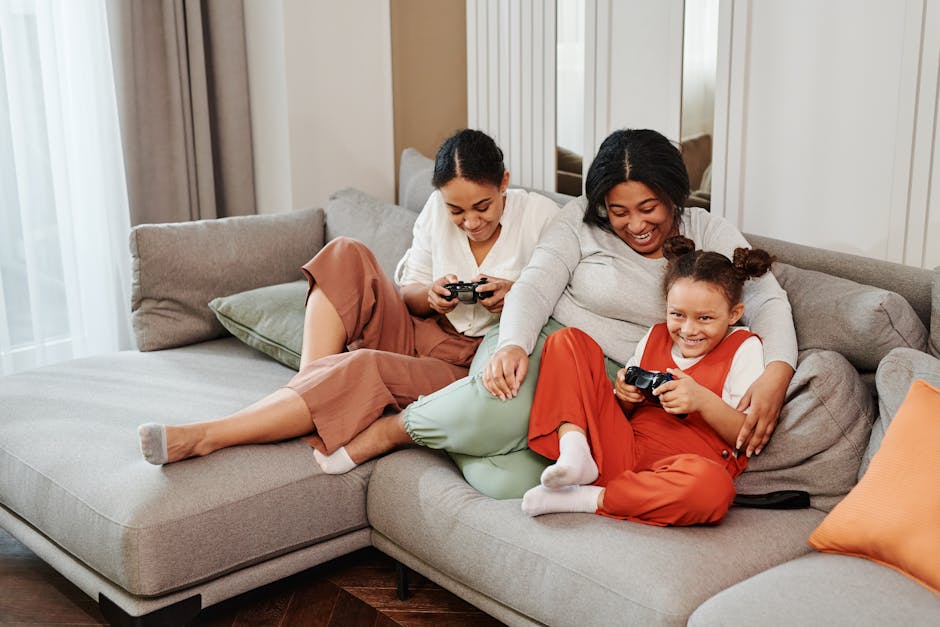
A joyful family moment as mother and daughters play video games together on the couch.
Photo by Tiger Lily / Pexels

Why I Chose the Battery Enhanced Model

There are three versions of the Nintendo Switch 1: the original model (HAC-001), the Battery Enhanced model (HAC-001(-01)), and the OLED model (HEG-001). I chose the Battery Enhanced model for simple reasons.

First, price. The OLED model still sells for around $200-250 used, but the Battery Enhanced model can be found for $100-150. Since I was buying it to play with my kid, there was no need for the top-tier model.

Second, battery life. The original model only lasts 2.5-6.5 hours in handheld mode, but the Battery Enhanced model offers 4.5-9 hours. Being able to take it out without worrying about charging when going out with my child is a huge advantage.

Third, game compatibility. All three Switch 1 versions share the same game library. Whether it is the OLED or Battery Enhanced model, the playable games are identical. Apart from a slightly larger and nicer screen, there is practically no difference.

Gaming with Kids Changes Everything

During my hardcore gaming days, graphics, frame rates, and loading speeds were everything. But when you play games with your child, the criteria completely change. What matters is can we play together?

Nintendo first-party titles like Mario Kart 8 Deluxe, Super Mario Bros. Wonder, and Animal Crossing let you split the Joy-Cons and immediately start two-player mode. No need to buy additional controllers, and the setup is simple. Even a five-year-old can enjoy Mario Kart within 10 minutes of being handed a Joy-Con.

This local multiplayer experience is hard to find on PS5 or Xbox. Sure, it exists, but games designed to be as family-friendly as Nintendo games are rare.
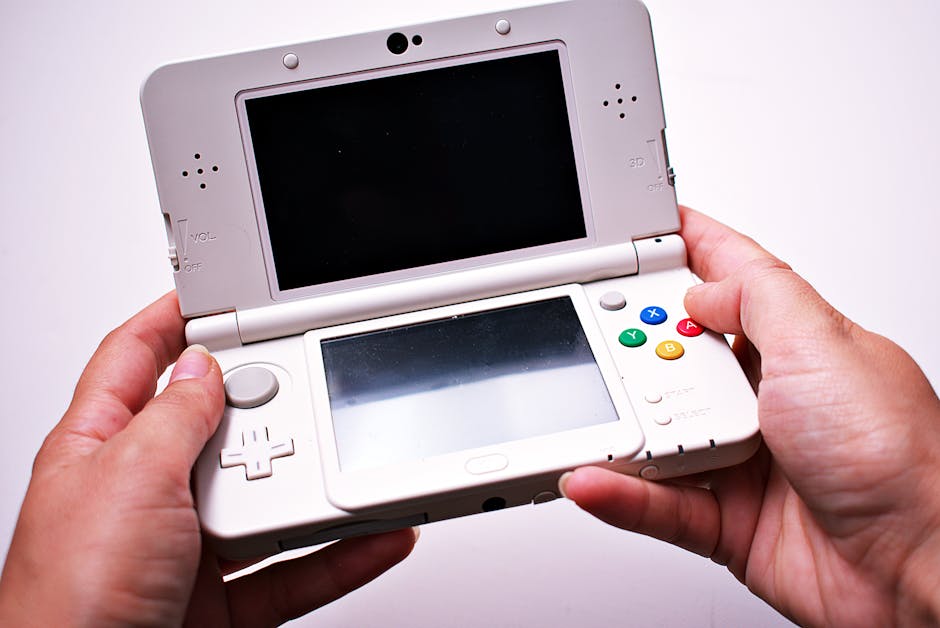
Close-up of hands holding a white portable gaming console.
Photo by Pixabay / Pexels

What is New with the Nintendo Switch 2?

The Nintendo Switch 2 was officially announced in June 2025. Significant upgrades were made over its predecessor. Here is a summary of the key changes.

Hardware Specs Comparison

Feature Switch 1 Battery Enhanced Switch 2
Display 6.2 inch LCD (720p) 7.9 inch LCD (1080p)
Processor NVIDIA Tegra X1+ NVIDIA T239 (Custom)
RAM 4GB 12GB
Storage 32GB 256GB
Docked Output 1080p 4K (max)
Battery 4.5-9 hours About 2-5 hours (estimated)
Price $100-150 (used) About $400-450 (expected)

Looking at numbers alone, the Switch 2 is overwhelming. Bigger screen, more powerful processor, and 8 times the storage. With 4K output support, there will definitely be a noticeable difference when connected to a TV.

Joy-Con Changes

The Switch 2 Joy-Cons attach to the console magnetically. Detachment is much smoother than the old rail system, and they feature built-in optical sensors that allow mouse-like control. The adoption of Hall effect sensors to address joystick drift is also noteworthy.

Backward Compatibility

Nintendo announced that the Switch 2 is backward compatible with most Switch 1 games. Both physical cartridges and digital purchases can be played as-is. However, some games may not be compatible, and the official compatibility list can be checked on Nintendo website.

This backward compatibility tells us something in reverse: the Switch 1 game library is that massive and excellent. Zelda, Mario, Pokemon, Splatoon, Animal Crossing, and thousands of proven games are available to enjoy right now.

So, Was Buying a Switch 1 a Mistake?

To answer directly: absolutely not.

From a Value Perspective

The price difference between a new Switch 2 and a used Switch 1 Battery Enhanced is about $250-300. That is enough to buy 5-7 game cartridges. If your goal, like mine, is casual gaming with your child, investing in more games rather than a more expensive console is far more sensible.

I actually got the Switch 1 Battery Enhanced with Mario Kart 8 Deluxe and Pokemon Legends: Arceus for under $150 total from a local marketplace. Just the Switch 2 console alone costs more than double that.

From a Practical Use Perspective

Honestly, it is difficult to distinguish between 720p and 1080p on a 6-8 inch screen. You might notice the difference when connected to a TV, but for those who primarily use handheld mode, the perceived difference is minimal.

Battery life might actually be better on the Switch 1 Battery Enhanced. The Switch 2 increased performance comes with higher power consumption. For going out without a power bank, the Battery Enhanced model is more practical.

The same goes for games. There are not many Switch 2 exclusive titles yet. That is always the case at launch. Meanwhile, the Switch 1 has a game library built over 8+ years. Having access to hundreds of masterpieces right now is an enormous advantage.
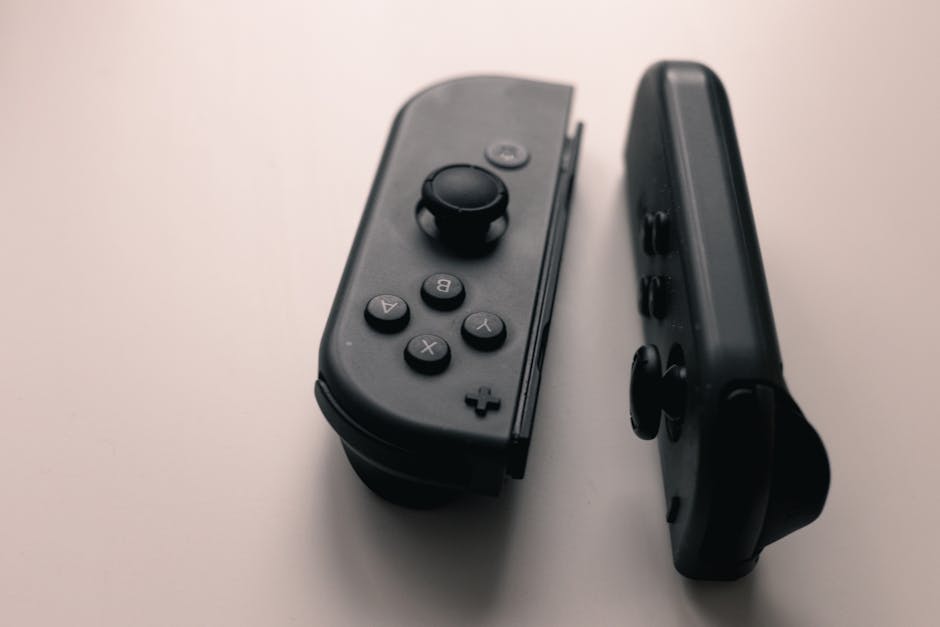
gaming controller setup
Photo by Pexels

From a Parent Perspective

Young children do not care about graphics quality. When Mario moves and the character they control responds, that is more than enough excitement. There probably is not a five-year-old who can tell the difference between 4K and 720p.

What actually matters is durability. Things children use get dropped, thrown, and drooled on. A $150 used device gives much more peace of mind than a $400 new one. If a Joy-Con breaks, just buy another used one.

Should I Buy a Nintendo Switch 2 or Not?

So who is the Switch 2 really for? Let me break it down by situation.

You Should Buy a Switch 2 If:

  • You do not have a Switch at all: If you are new to Nintendo, the latest model makes sense. It is backward compatible anyway.
  • You want the latest exclusive titles: If you want to play Switch 2 exclusives (Metroid Prime 4, new Mario Kart, etc.), there is only one choice.
  • You primarily use TV mode: 4K output shines on big screens. If you mostly play docked, you will feel the upgrade.
  • You play a lot of online multiplayer: Improved Wi-Fi and networking features enhance the online gaming experience.

The Switch 1 Battery Enhanced is Right If:

  • You are a parent wanting casual gaming with kids: Like me. Great value, low stress if damaged, plenty of games.
  • You are a student or casual gamer on a budget: You can start with console + 2-3 games for under $150.
  • You primarily use handheld mode: The long battery life is a genuine advantage. No charging worries during commutes, travel, or waiting times.
  • You are new to Nintendo games: This is the perfect opportunity to enjoy 8 years of masterpieces at low cost. You can always upgrade to Switch 2 later.

Tips for Buying Used

There are a few things to check when buying used:

  1. Check the serial number: Battery Enhanced models start with XKW. If it starts with XAW, it is the older model.
  2. Joy-Con drift: Check if characters move on screen when you are not touching the joystick. Drift means additional replacement costs.
  3. Screen condition: Check the LCD panel for burn-in or brightness unevenness.
  4. Battery health: Heavily used devices may have degraded batteries. Ask the seller about actual usage time after a full charge.
  5. Custom firmware (CFW): Modified devices may be banned from online services. Verify that the Nintendo eShop works properly.

Conclusion

The Nintendo Switch 2 is undeniably a better device. It is faster, prettier, and more capable. But better does not always mean more suitable.

I simply wanted to laugh with my child while playing Mario Kart. For that purpose, a used Battery Enhanced model was the perfect choice. The money saved on the console went toward buying more games, and I do not stress when my kid handles it roughly.

Chasing the latest hardware is exciting, but sometimes choosing what is right for me now is the wiser purchase. The Switch 1 Battery Enhanced is still an excellent gaming device in 2026. A massive game library, proven hardware, and an affordable price. Not many devices offer all three simultaneously.

If you are like me and looking to start gaming with your child, I recommend a used Switch 1 Battery Enhanced. And later, when your child is older and enough Switch 2 exclusive games have accumulated, upgrading then will not be too late at all.

Gaming is ultimately about the value of time spent together. No matter what device you play on, if you can hear your child laughter, that is the best choice.
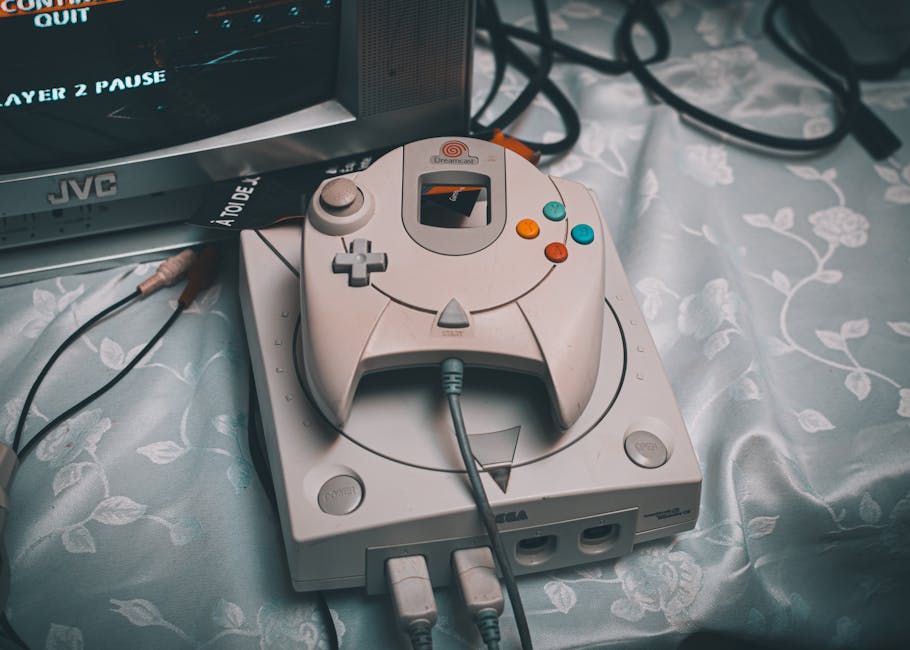
🎮 Sega’s Last Spark, Dreamcast: From Development Secrets to Masterpiece Games, and a Regrettable Farewell!

빈티지 설정의 컨트롤러가 있는 Dreamcast 콘솔

# 🎮 Sega’s Last Spark, Dreamcast: From Development Secrets to Masterpiece Games, and a Regrettable Farewell!

Hey, fellow retro game lovers! Today, I want to talk about one of my all-time favorite consoles: the **Sega Dreamcast**. 💖 You know, it was really hard to get this console in Korea. But because I worked so hard to get my hands on it, it holds a special place in my heart, more than any other console! From its birth to its masterpiece games, and why it had to leave us so soon, I’m going to dive into all the super detailed stories right now!

## The Dreamcast’s Development Secrets: Rising from the Ashes of the Saturn’s Failure!

The Dreamcast was Sega’s last home console, and it carried Sega’s ambitious plan to bounce back from the struggles of the Sega Saturn, which had been losing to the PlayStation. Bernie Stolar, the president of Sega of America at the time, publicly declared, “The Saturn is not our future!” and strongly urged the development of a new platform. 😥

### The Hidden Story of Codename ‘Blackbelt’, ‘Dural’, and ‘Katana’

During its development, the Dreamcast went through several codenames. Initially, a North American development team led by Tatsuo Yamamoto proposed a design under the codename **’Blackbelt’**, utilizing a Motorola PowerPC 603e CPU and 3dfx Voodoo graphics processors. However, this design was not ultimately adopted. Simultaneously, a Japanese internal team led by Hideki Sato was developing a project codenamed **’Dural’**, which combined a Hitachi SH-4 CPU and an NEC PowerVR2 GPU. The Japanese team’s design was eventually chosen.

Later, in February 1998, the Japanese team’s ‘Dural’ project’s codename was changed to **’Katana’**, symbolizing the cutting off of the ‘Blackbelt’ project. This ‘Katana’ design became the basis for the Dreamcast hardware we know today, and the official development kit was also referred to as ‘Katana’. Sega, having learned from the complex and expensive hardware of the Saturn, focused on cost reduction and ease of development, striving to design it using ‘off-the-shelf components’.

### Ahead-of-Its-Time Hardware Specs

The Dreamcast boasted incredibly powerful specs for its era. It featured a Hitachi SH-4 CPU and a NEC PowerVR2 GPU. The SH-4 CPU, in particular, showed off an amazing 1.4 GFLOPS of floating-point performance for a home console! For its storage medium, it used GD-ROM (Giga Disc Read-Only Memory), offering much more capacity than CD-ROMs at the time. Unfortunately, this capacity proved insufficient compared to the PlayStation 2’s DVD-ROM, which became a drawback later on.

[IMAGE: Dreamcast console with controller]

### Pioneer of Online Gaming, and Collaboration with Microsoft

The Dreamcast was the **first console** to include a **built-in modem and internet support**! It truly pioneered the era of online gaming, which is so common today! Although the internet infrastructure wasn’t as developed back then, preventing full utilization of this feature, Sega cleverly designed the modem to be detachable, allowing for flexible adaptation to future communication changes. 👍

Sega even partnered with Microsoft to port Windows CE to the Dreamcast, enabling DirectX-based game development. This made it much easier for third-party developers to create games!

### The Secret Behind Its Unique Name and Logo

The name ‘Dreamcast’ is a portmanteau of ‘dream’ and ‘broadcast,’ chosen from over 5,000 public submissions. Isn’t the meaning, “broadcasting dreams,” just awesome? ✨ And the iconic orange swirl logo (for NTSC regions) originated from a color symbolizing ‘luck’ in Japan. There’s also a fun backstory that it was changed to blue in Europe (PAL regions) because it resembled a German company’s logo!

## Masterpiece Games that Shined on the Dreamcast: Timeless Fun! 🎮

Even though the Dreamcast had a short lifespan, it left behind a treasure trove of truly great games. Let’s look at a few of them!

### The Apex of Fighting Games, SoulCalibur

If I had to pick the best Dreamcast game, **SoulCalibur** would definitely be at the top! 🤩 Its stunning graphics and exhilarating weapon-based combat were a huge shock to gamers at the time. Even today, the graphics are so good they might surprise you!

### Sega’s Pride, Sonic Adventure

Sega’s mascot Sonic made a spectacular return in 3D with **Sonic Adventure**! Its fast-paced action and thrilling stages truly showcased the Dreamcast’s power. It was a bestseller, selling over 2.5 million copies!

### Hip and Stylish Urban Action, Jet Set Radio

With its unique cel-shaded graphics and cool street culture vibe, **Jet Set Radio** was truly a game ahead of its time. Skating through the city and tagging graffiti was incredibly fun! 🎨

[IMAGE: Jet Set Radio gameplay]

### Breathtaking Horror, Resident Evil Code: Veronica

Considered the masterpiece of the Resident Evil series released on Dreamcast, **Code: Veronica**! 😱 Its significantly improved graphics and chilling story thrilled many fans. Playing it alone at night was genuinely scary…

### A Grand RPG Saga in the Sky, Skies of Arcadia

With beautiful visuals, a solid story, and an adventure of sky pirates, **Skies of Arcadia** is a Dreamcast RPG masterpiece. Its grand world and charming characters are still vivid in my memory!

### Thrilling Arcade Fun, Crazy Taxi

**Crazy Taxi** was an exhilarating arcade racing game enjoyed by many worldwide and released on various platforms. The pure joy of speeding around as a taxi driver was infectious!

### Sega’s Ambitious Project, Shenmue

Sega poured an astronomical 70 billion won into the ambitious **Shenmue**! 😲 It garnered attention for its massive scale and innovative gameplay, but unfortunately, its disappointing sales were one of the reasons for the Dreamcast’s failure. Still, its artistic merit is recognized by many gamers even today.

### Other Dreamcast Masterpieces

Beyond these, countless other masterpieces like **Virtua Fighter 3tb, NFL 2K1, NBA 2K1, Power Stone 2, and Space Channel 5** graced the Dreamcast! Isn’t it amazing how many great games were released in such a short time? 🥹

## The Light and Shadow of the Dreamcast: Its Popularity and Regrettable Demise

The Dreamcast enjoyed immense popularity upon its initial release! In North America, it sold over 225,000 units within the first 24 hours, setting a record for the ‘biggest 24 hours’ in entertainment retail history at the time, and surpassed 500,000 units in just two weeks! 😲 Its innovative features like online play and downloadable content were praised as being ahead of their time.

### The Inevitable War with the PS2

However, the Dreamcast’s biggest rival was **Sony’s PlayStation 2 (PS2)**. Released a year after the Dreamcast, the PS2 completely dominated the market with its marketing slogan of “10 times more powerful than Dreamcast” and its DVD playback feature. At a time when DVD players were expensive, the PS2 offered an attractive option as both a gaming console and a DVD player. The Dreamcast’s lack of this feature proved fatal. 💔

[IMAGE: Sega Dreamcast vs PlayStation 2]

### Sega’s Tarnished Reputation and Other Factors

The Dreamcast also carried the burden of restoring Sega’s reputation, which had been damaged by the failures of previous consoles like the 32X and Saturn. Furthermore, the online gaming market was still in its infancy, and the Dreamcast’s online features couldn’t fully shine due to insufficient infrastructure. Despite investing heavily in masterpieces like Shenmue, sales fell short of expectations, and the ease of game piracy also contributed to its poor sales.

Ultimately, Sega couldn’t bear the massive financial losses and announced the discontinuation of Dreamcast production and withdrawal from the home console business in January 2001. Thus, the Dreamcast sold approximately 9.13 million units worldwide and remained in history as Sega’s last home console. 🥲

## The Legacy of the Dreamcast and Its Impact on Retro Gamers

Although the Dreamcast was a commercial failure, its impact on the gaming industry was profound. It demonstrated the potential of online gaming and downloadable content, and its innovative hardware and unique games provided unforgettable experiences for many gamers. Even today, it is fondly remembered as a ‘tragic masterpiece’ among retro gamers. I’m sure many people, like me, have a special affection for the Dreamcast! 💖

The Dreamcast is more than just a console; it will forever be remembered in our hearts as a symbol of Sega’s pioneering spirit and innovation. Hoping that a wonderful console inheriting the spirit of the Dreamcast will emerge someday, I’ll conclude today’s story here! I’ll be back with more fun retro game stories next time! Bye~ 👋

The Perfect Recreation of Retro Games: Everything About Hardware Emulation (FPGA, MiSTer, Analogue) 🎮✨

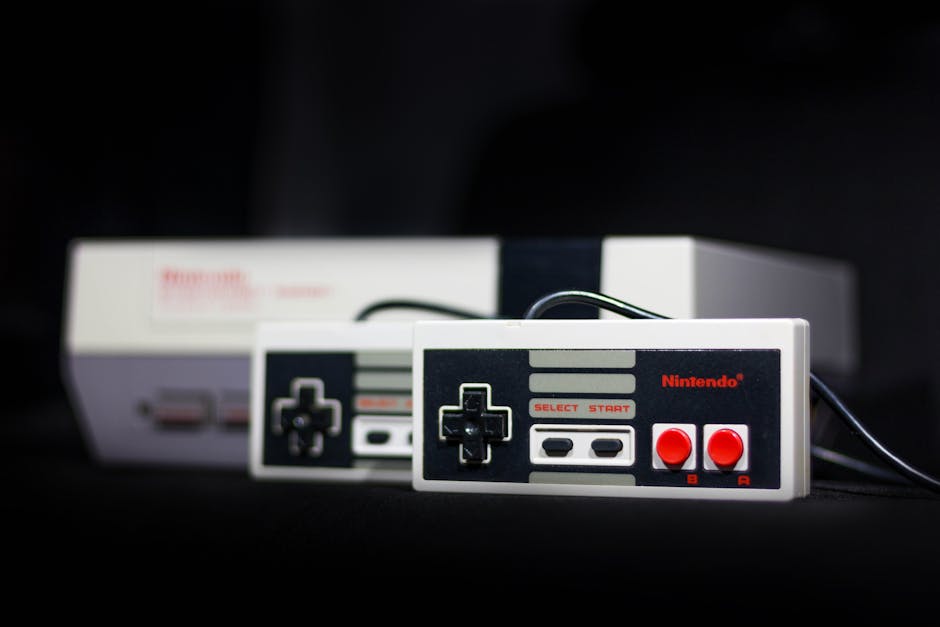
회색 Nintendo Nes 콘솔 및 컨트롤러

The Perfect Recreation of Retro Games: Everything About Hardware Emulation (FPGA, MiSTer, Analogue) 🎮✨

Retro gaming fans, classic games holding cherished childhood memories are returning to us once again! 🕹️ The desire to dust off old consoles and play them is strong, but reality is often challenging. Broken hardware, compatibility issues with old TVs, and subtle input lag have forced us to rely on software emulators. However, now, a new method called hardware emulation is expanding the horizons of the retro gaming experience. What exactly is hardware emulation, and why are retro gamers so enthusiastic about it? Let’s delve into it!

Retro gaming console and controller
Photo by Dan Galvani Sommavilla / Pexels

What is Hardware Emulation? The Fundamental Difference from Software Emulation ⚙️🧠

Hardware emulation goes beyond simply running a program; it’s a method that recreates the hardware circuitry itself of actual retro game consoles using a programmable semiconductor chip called FPGA (Field-Programmable Gate Array). In simpler terms, it makes the chipsets of old game consoles operate identically within a modern FPGA chip.

While software emulation ‘interprets and executes’ the original system’s commands using a computer’s CPU, hardware emulation ‘reconfigures the original hardware’s circuitry to operate identically.’ Thanks to this fundamental difference, hardware emulation offers overwhelming advantages that software methods cannot match.

Overwhelming Advantages of Hardware Emulation ✅🚀

FPGA-based hardware emulation delivers a satisfying ‘real hardware experience’ that is as close as possible to retro gamers.

  • Near-Perfect Accuracy: FPGAs operate like actual game boards, recreating even subtle timings and characteristics of the original semiconductor circuits almost perfectly. This provides an experience exactly as intended by game developers, without subtle graphical glitches or sound distortions.
  • Low Input Lag: Hardware emulation dramatically reduces input lag, which often occurs in software emulation due to the operating system (OS) and program host. This is because processing happens directly at the hardware level. Its true value shines in genres where split-second reaction times are crucial, such as fighting games or rhythm games.
  • Value of Game Preservation: Old game consoles are at risk of deterioration and failure over time. Hardware emulation transcends these physical limitations, playing a vital role in preserving the legacy of past games indefinitely.
  • Modern Display Compatibility and Image Quality Improvement: While original hardware was primarily designed for old CRT TVs, FPGA-based devices support modern display connections like HDMI, allowing games to be enjoyed on crisp, clear screens. Some even offer 10x integer scaling and reference-grade sharpness.
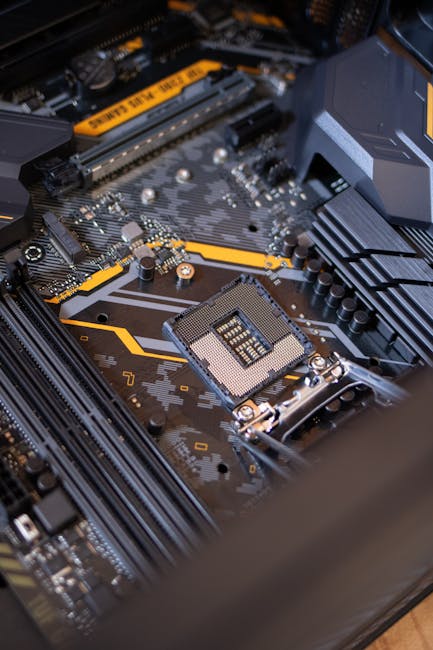
검정색과 회색 마더 보드
Photo by Athena Sandrini / Pexels

Notable Hardware Emulation Platforms 🌟🕹️

Currently, two hardware emulation platforms are attracting the most attention among retro gamers.

  • MiSTer FPGA:
    Open-source project demonstrating its power, the MiSTer FPGA is based on the `DE10-Nano` FPGA board. Countless ‘cores’ recreating classic computers and game consoles like NES, SNES, Mega Drive, and arcade games are continuously developed through an active open-source community. Thanks to its excellent expandability and strong community support, users can freely install desired system cores and build their own retro gaming environment with HDMI output and various add-on boards. Its high accuracy and flexibility have earned it the nickname ‘the ultimate destination for retro gaming.’
  • Analogue Consoles:
    Analogue is a company renowned for producing high-quality retro game consoles using FPGA technology. `Analogue Pocket` and `Analogue Super Nt` are prime examples. These products recreate the semiconductor circuit operations of original game consoles almost perfectly, boasting luxurious designs and excellent build quality. In particular, the `Analogue Pocket` is an FPGA-based emulator for handheld consoles, allowing users to play actual game cartridges. This makes it a ‘dream machine’ for many retro gamers. Its superior image and sound quality correction features offer the most beautiful and accurate way to enjoy classic games.
# 실내, 기술, 기술 액세서리의 무료 스톡 사진
Photo by Mateusz Haberny / Pexels

Is Hardware Emulation Perfect in Every Aspect? 💰🤔

While hardware emulation offers many advantages, there are a few drawbacks to consider.

  • High Cost: FPGA-based precision hardware emulation devices have high development and manufacturing costs, making them more expensive than software emulators or low-cost replica consoles. This can act as a barrier to entry for many casual retro gamers.
  • Lack of Original Hardware Feel: No matter how accurately it’s recreated, many users feel it’s difficult to completely replace the ‘nostalgia’ and ‘authenticity’ that comes from inserting actual game cartridges and physically interacting with old consoles and controllers. This is a particularly important factor for retro gamers who value the historical significance of games.
  • Limited Convenience Features: Software emulators offer various convenience features such as save states, fast-forward, and rewind, along with graphic filters, upscaling, and widescreen modes. Since hardware emulation aims for fidelity to the original, these additional modernization features may be limited.
  • Legal Issues with ROM Files: The use of ROM files to run games on emulators is in a legal gray area due to copyright concerns, which is also something to be aware of.

Conclusion: The Future of Retro Gaming, the Direction Offered by Hardware Emulation 💖🎮

Hardware emulation is setting a new standard for how retro games are enjoyed. It provides an experience closest to the original hardware and contributes significantly to preserving game heritage. While the high cost and absence of some convenience features are drawbacks, for enthusiasts who pursue ultimate ‘accuracy’ and ‘experience,’ there is no better option.

If you wish to re-experience games from the past in their most perfect form, why not dive into the world of FPGA-based hardware emulation? A new retro gaming life awaits you!

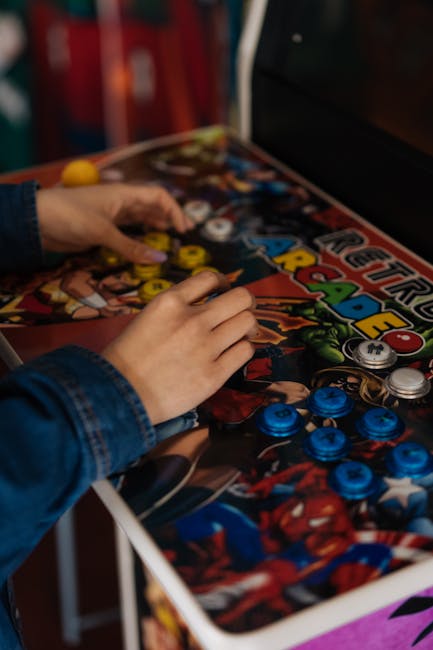
Retro video game arcade
Photo by Mikhail Nilov / Pexels