# 🎮 Sega’s Last Spark, Dreamcast: From Development Secrets to Masterpiece Games, and a Regrettable Farewell!
Hey, fellow retro game lovers! Today, I want to talk about one of my all-time favorite consoles: the **Sega Dreamcast**. 💖 You know, it was really hard to get this console in Korea. But because I worked so hard to get my hands on it, it holds a special place in my heart, more than any other console! From its birth to its masterpiece games, and why it had to leave us so soon, I’m going to dive into all the super detailed stories right now!
## The Dreamcast’s Development Secrets: Rising from the Ashes of the Saturn’s Failure!
The Dreamcast was Sega’s last home console, and it carried Sega’s ambitious plan to bounce back from the struggles of the Sega Saturn, which had been losing to the PlayStation. Bernie Stolar, the president of Sega of America at the time, publicly declared, “The Saturn is not our future!” and strongly urged the development of a new platform. 😥
### The Hidden Story of Codename ‘Blackbelt’, ‘Dural’, and ‘Katana’
During its development, the Dreamcast went through several codenames. Initially, a North American development team led by Tatsuo Yamamoto proposed a design under the codename **’Blackbelt’**, utilizing a Motorola PowerPC 603e CPU and 3dfx Voodoo graphics processors. However, this design was not ultimately adopted. Simultaneously, a Japanese internal team led by Hideki Sato was developing a project codenamed **’Dural’**, which combined a Hitachi SH-4 CPU and an NEC PowerVR2 GPU. The Japanese team’s design was eventually chosen.
Later, in February 1998, the Japanese team’s ‘Dural’ project’s codename was changed to **’Katana’**, symbolizing the cutting off of the ‘Blackbelt’ project. This ‘Katana’ design became the basis for the Dreamcast hardware we know today, and the official development kit was also referred to as ‘Katana’. Sega, having learned from the complex and expensive hardware of the Saturn, focused on cost reduction and ease of development, striving to design it using ‘off-the-shelf components’.
### Ahead-of-Its-Time Hardware Specs
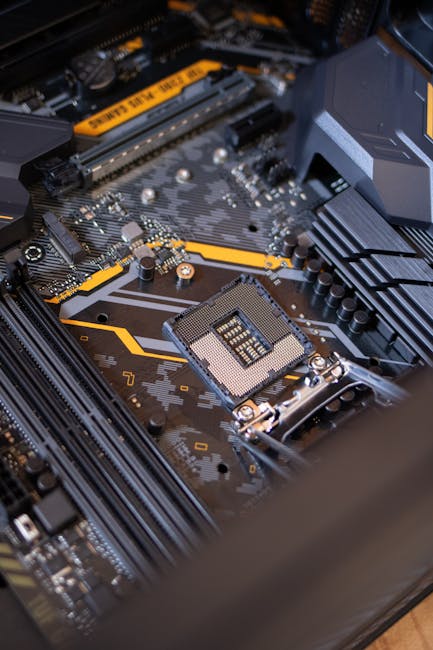
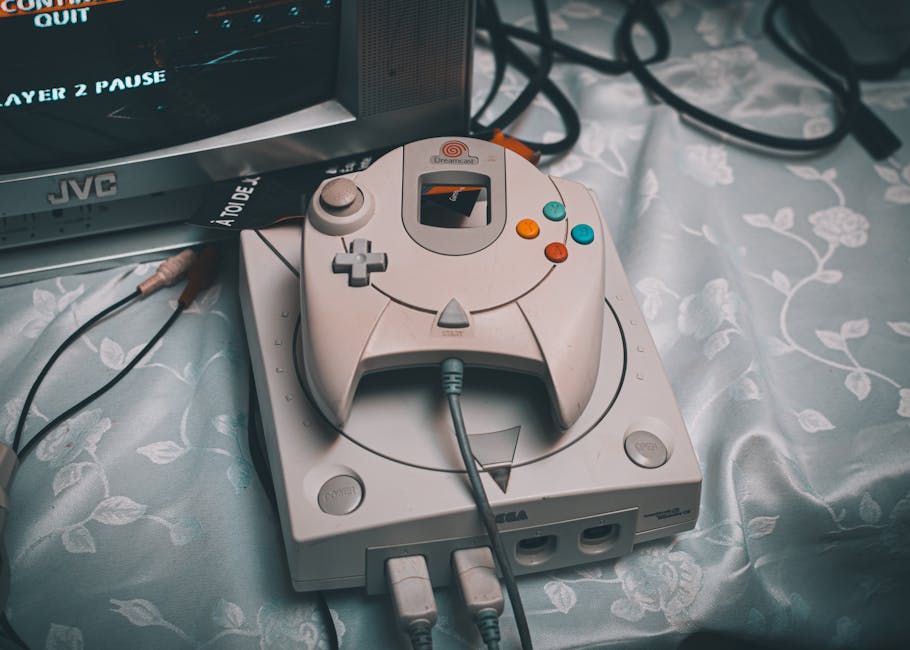
The Dreamcast boasted incredibly powerful specs for its era. It featured a Hitachi SH-4 CPU and a NEC PowerVR2 GPU. The SH-4 CPU, in particular, showed off an amazing 1.4 GFLOPS of floating-point performance for a home console! For its storage medium, it used GD-ROM (Giga Disc Read-Only Memory), offering much more capacity than CD-ROMs at the time. Unfortunately, this capacity proved insufficient compared to the PlayStation 2’s DVD-ROM, which became a drawback later on.
[IMAGE: Dreamcast console with controller]
### Pioneer of Online Gaming, and Collaboration with Microsoft
The Dreamcast was the **first console** to include a **built-in modem and internet support**! It truly pioneered the era of online gaming, which is so common today! Although the internet infrastructure wasn’t as developed back then, preventing full utilization of this feature, Sega cleverly designed the modem to be detachable, allowing for flexible adaptation to future communication changes. 👍
Sega even partnered with Microsoft to port Windows CE to the Dreamcast, enabling DirectX-based game development. This made it much easier for third-party developers to create games!
### The Secret Behind Its Unique Name and Logo
The name ‘Dreamcast’ is a portmanteau of ‘dream’ and ‘broadcast,’ chosen from over 5,000 public submissions. Isn’t the meaning, “broadcasting dreams,” just awesome? ✨ And the iconic orange swirl logo (for NTSC regions) originated from a color symbolizing ‘luck’ in Japan. There’s also a fun backstory that it was changed to blue in Europe (PAL regions) because it resembled a German company’s logo!
## Masterpiece Games that Shined on the Dreamcast: Timeless Fun! 🎮
Even though the Dreamcast had a short lifespan, it left behind a treasure trove of truly great games. Let’s look at a few of them!
### The Apex of Fighting Games, SoulCalibur
If I had to pick the best Dreamcast game, **SoulCalibur** would definitely be at the top! 🤩 Its stunning graphics and exhilarating weapon-based combat were a huge shock to gamers at the time. Even today, the graphics are so good they might surprise you!
### Sega’s Pride, Sonic Adventure
Sega’s mascot Sonic made a spectacular return in 3D with **Sonic Adventure**! Its fast-paced action and thrilling stages truly showcased the Dreamcast’s power. It was a bestseller, selling over 2.5 million copies!
### Hip and Stylish Urban Action, Jet Set Radio
With its unique cel-shaded graphics and cool street culture vibe, **Jet Set Radio** was truly a game ahead of its time. Skating through the city and tagging graffiti was incredibly fun! 🎨
[IMAGE: Jet Set Radio gameplay]
### Breathtaking Horror, Resident Evil Code: Veronica
Considered the masterpiece of the Resident Evil series released on Dreamcast, **Code: Veronica**! 😱 Its significantly improved graphics and chilling story thrilled many fans. Playing it alone at night was genuinely scary…
### A Grand RPG Saga in the Sky, Skies of Arcadia
With beautiful visuals, a solid story, and an adventure of sky pirates, **Skies of Arcadia** is a Dreamcast RPG masterpiece. Its grand world and charming characters are still vivid in my memory!
### Thrilling Arcade Fun, Crazy Taxi
**Crazy Taxi** was an exhilarating arcade racing game enjoyed by many worldwide and released on various platforms. The pure joy of speeding around as a taxi driver was infectious!
### Sega’s Ambitious Project, Shenmue
Sega poured an astronomical 70 billion won into the ambitious **Shenmue**! 😲 It garnered attention for its massive scale and innovative gameplay, but unfortunately, its disappointing sales were one of the reasons for the Dreamcast’s failure. Still, its artistic merit is recognized by many gamers even today.
### Other Dreamcast Masterpieces
Beyond these, countless other masterpieces like **Virtua Fighter 3tb, NFL 2K1, NBA 2K1, Power Stone 2, and Space Channel 5** graced the Dreamcast! Isn’t it amazing how many great games were released in such a short time? 🥹
## The Light and Shadow of the Dreamcast: Its Popularity and Regrettable Demise
The Dreamcast enjoyed immense popularity upon its initial release! In North America, it sold over 225,000 units within the first 24 hours, setting a record for the ‘biggest 24 hours’ in entertainment retail history at the time, and surpassed 500,000 units in just two weeks! 😲 Its innovative features like online play and downloadable content were praised as being ahead of their time.
### The Inevitable War with the PS2
However, the Dreamcast’s biggest rival was **Sony’s PlayStation 2 (PS2)**. Released a year after the Dreamcast, the PS2 completely dominated the market with its marketing slogan of “10 times more powerful than Dreamcast” and its DVD playback feature. At a time when DVD players were expensive, the PS2 offered an attractive option as both a gaming console and a DVD player. The Dreamcast’s lack of this feature proved fatal. 💔
[IMAGE: Sega Dreamcast vs PlayStation 2]
### Sega’s Tarnished Reputation and Other Factors
The Dreamcast also carried the burden of restoring Sega’s reputation, which had been damaged by the failures of previous consoles like the 32X and Saturn. Furthermore, the online gaming market was still in its infancy, and the Dreamcast’s online features couldn’t fully shine due to insufficient infrastructure. Despite investing heavily in masterpieces like Shenmue, sales fell short of expectations, and the ease of game piracy also contributed to its poor sales.
Ultimately, Sega couldn’t bear the massive financial losses and announced the discontinuation of Dreamcast production and withdrawal from the home console business in January 2001. Thus, the Dreamcast sold approximately 9.13 million units worldwide and remained in history as Sega’s last home console. 🥲
## The Legacy of the Dreamcast and Its Impact on Retro Gamers
Although the Dreamcast was a commercial failure, its impact on the gaming industry was profound. It demonstrated the potential of online gaming and downloadable content, and its innovative hardware and unique games provided unforgettable experiences for many gamers. Even today, it is fondly remembered as a ‘tragic masterpiece’ among retro gamers. I’m sure many people, like me, have a special affection for the Dreamcast! 💖
The Dreamcast is more than just a console; it will forever be remembered in our hearts as a symbol of Sega’s pioneering spirit and innovation. Hoping that a wonderful console inheriting the spirit of the Dreamcast will emerge someday, I’ll conclude today’s story here! I’ll be back with more fun retro game stories next time! Bye~ 👋