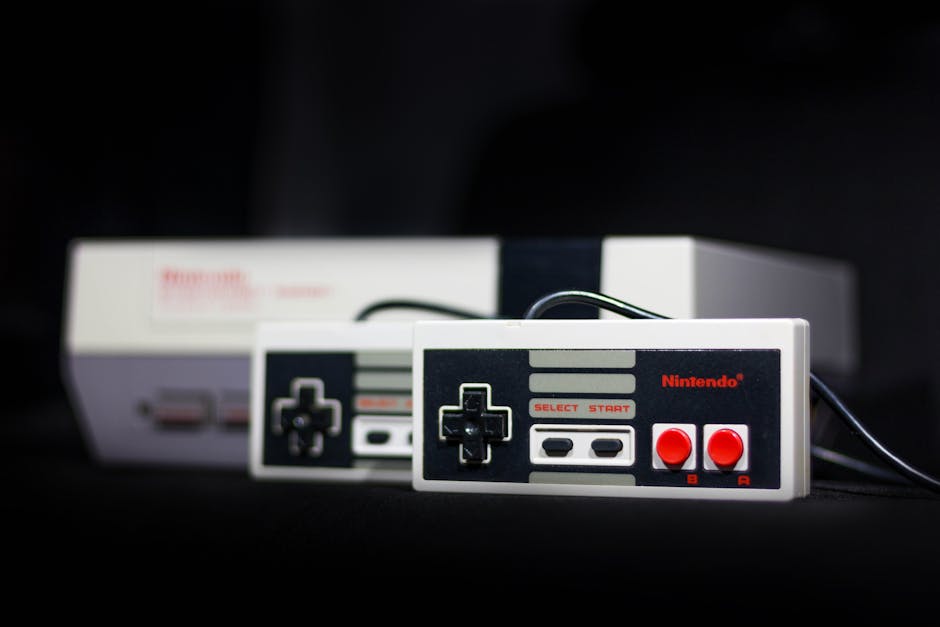
The Perfect Recreation of Retro Games: Everything About Hardware Emulation (FPGA, MiSTer, Analogue) 🎮✨
Retro gaming fans, classic games holding cherished childhood memories are returning to us once again! 🕹️ The desire to dust off old consoles and play them is strong, but reality is often challenging. Broken hardware, compatibility issues with old TVs, and subtle input lag have forced us to rely on software emulators. However, now, a new method called hardware emulation is expanding the horizons of the retro gaming experience. What exactly is hardware emulation, and why are retro gamers so enthusiastic about it? Let’s delve into it!
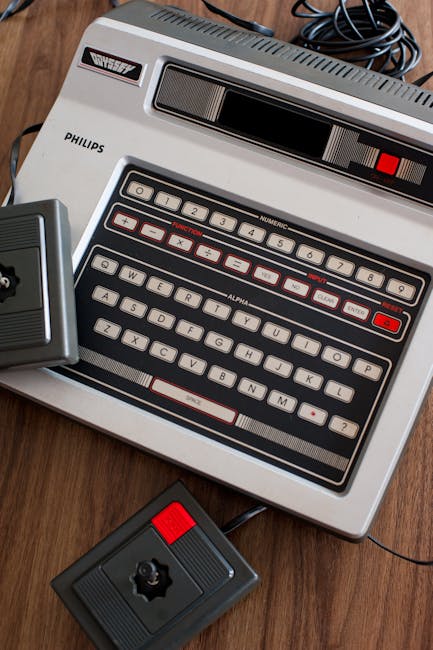
What is Hardware Emulation? The Fundamental Difference from Software Emulation ⚙️🧠
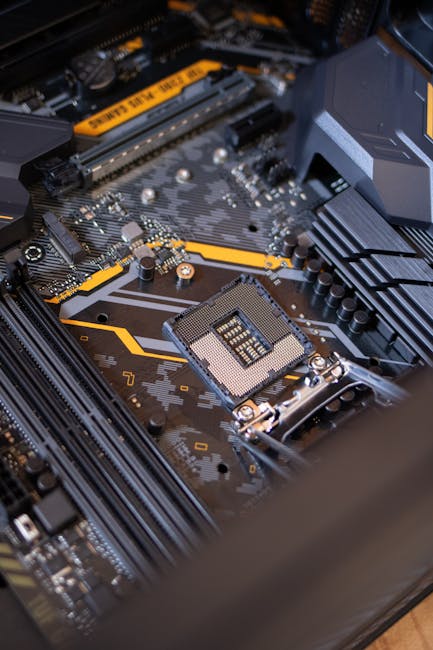
Hardware emulation goes beyond simply running a program; it’s a method that recreates the hardware circuitry itself of actual retro game consoles using a programmable semiconductor chip called FPGA (Field-Programmable Gate Array). In simpler terms, it makes the chipsets of old game consoles operate identically within a modern FPGA chip.
While software emulation ‘interprets and executes’ the original system’s commands using a computer’s CPU, hardware emulation ‘reconfigures the original hardware’s circuitry to operate identically.’ Thanks to this fundamental difference, hardware emulation offers overwhelming advantages that software methods cannot match.
Overwhelming Advantages of Hardware Emulation ✅🚀
FPGA-based hardware emulation delivers a satisfying ‘real hardware experience’ that is as close as possible to retro gamers.
- Near-Perfect Accuracy: FPGAs operate like actual game boards, recreating even subtle timings and characteristics of the original semiconductor circuits almost perfectly. This provides an experience exactly as intended by game developers, without subtle graphical glitches or sound distortions.
- Low Input Lag: Hardware emulation dramatically reduces input lag, which often occurs in software emulation due to the operating system (OS) and program host. This is because processing happens directly at the hardware level. Its true value shines in genres where split-second reaction times are crucial, such as fighting games or rhythm games.
- Value of Game Preservation: Old game consoles are at risk of deterioration and failure over time. Hardware emulation transcends these physical limitations, playing a vital role in preserving the legacy of past games indefinitely.
- Modern Display Compatibility and Image Quality Improvement: While original hardware was primarily designed for old CRT TVs, FPGA-based devices support modern display connections like HDMI, allowing games to be enjoyed on crisp, clear screens. Some even offer 10x integer scaling and reference-grade sharpness.
Notable Hardware Emulation Platforms 🌟🕹️
Currently, two hardware emulation platforms are attracting the most attention among retro gamers.
- MiSTer FPGA:
Open-source project demonstrating its power, the MiSTer FPGA is based on the `DE10-Nano` FPGA board. Countless ‘cores’ recreating classic computers and game consoles like NES, SNES, Mega Drive, and arcade games are continuously developed through an active open-source community. Thanks to its excellent expandability and strong community support, users can freely install desired system cores and build their own retro gaming environment with HDMI output and various add-on boards. Its high accuracy and flexibility have earned it the nickname ‘the ultimate destination for retro gaming.’ - Analogue Consoles:
Analogue is a company renowned for producing high-quality retro game consoles using FPGA technology. `Analogue Pocket` and `Analogue Super Nt` are prime examples. These products recreate the semiconductor circuit operations of original game consoles almost perfectly, boasting luxurious designs and excellent build quality. In particular, the `Analogue Pocket` is an FPGA-based emulator for handheld consoles, allowing users to play actual game cartridges. This makes it a ‘dream machine’ for many retro gamers. Its superior image and sound quality correction features offer the most beautiful and accurate way to enjoy classic games.
Is Hardware Emulation Perfect in Every Aspect? 💰🤔
While hardware emulation offers many advantages, there are a few drawbacks to consider.
- High Cost: FPGA-based precision hardware emulation devices have high development and manufacturing costs, making them more expensive than software emulators or low-cost replica consoles. This can act as a barrier to entry for many casual retro gamers.
- Lack of Original Hardware Feel: No matter how accurately it’s recreated, many users feel it’s difficult to completely replace the ‘nostalgia’ and ‘authenticity’ that comes from inserting actual game cartridges and physically interacting with old consoles and controllers. This is a particularly important factor for retro gamers who value the historical significance of games.
- Limited Convenience Features: Software emulators offer various convenience features such as save states, fast-forward, and rewind, along with graphic filters, upscaling, and widescreen modes. Since hardware emulation aims for fidelity to the original, these additional modernization features may be limited.
- Legal Issues with ROM Files: The use of ROM files to run games on emulators is in a legal gray area due to copyright concerns, which is also something to be aware of.
Conclusion: The Future of Retro Gaming, the Direction Offered by Hardware Emulation 💖🎮
Hardware emulation is setting a new standard for how retro games are enjoyed. It provides an experience closest to the original hardware and contributes significantly to preserving game heritage. While the high cost and absence of some convenience features are drawbacks, for enthusiasts who pursue ultimate ‘accuracy’ and ‘experience,’ there is no better option.
If you wish to re-experience games from the past in their most perfect form, why not dive into the world of FPGA-based hardware emulation? A new retro gaming life awaits you!

—